Saving Baby Teeth: Why Lafayette Pulpotomy is the Right Choice for Your Child
Your child is in the middle of a giggle when they suddenly cry out from a toothache, and just like that, a happy moment turns into a worried one. As a parent, that flash of fear is all too familiar. “Is it serious?” you wonder. “Will they need an extraction?”
Fortunately, in many cases, a simple, gentle procedure called a pulpotomy can save the day, and the tooth. At Little Cloud Pediatric Dentistry, pulpotomy treatments are tailored to preserve baby teeth with compassion, care, and a touch of magic.
What Is a Pulpotomy, and Why Does It Matter?
A pulpotomy is a dental procedure that removes the infected portion of the tooth’s pulp (the soft area inside the tooth) while saving the healthy root structure. Think of it as a “baby root canal,” specially adapted for little smiles still learning to shine.
When decay reaches the inner pulp chamber of a primary tooth, it can cause pain, abscesses, and swelling. But that does not always mean the tooth has to be removed. And saving baby teeth is far more than a cosmetic concern:
- Space Holders: Primary teeth guide permanent teeth into correct alignment.
- Speech Development: Losing teeth too early can affect a child’s ability to pronounce words clearly.
- Nutrition: Healthy teeth make it easier to eat, especially for picky eaters.
- Self-Confidence: A bright, pain-free smile builds positivity and participation in school and play.
When Is a Pulpotomy Needed?
Dr. Rachel Forer, pediatric dentist and founder of Little Cloud Pediatric Dentistry here in Lafayette, often recommends pulpotomy when:
- A child experiences sensitivity or pain in a baby tooth
- There is visible deep decay but the tooth roots are still healthy
- A tooth is damaged from injury but still holds structural integrity
Each case is evaluated with utmost care, and if a pulpotomy is the best option, parents are guided gently through each detail. This procedure can help delay or eliminate the need for extraction, which may involve more intensive care or even space-maintainers.
How Does a Lafayette Pulpotomy Work?
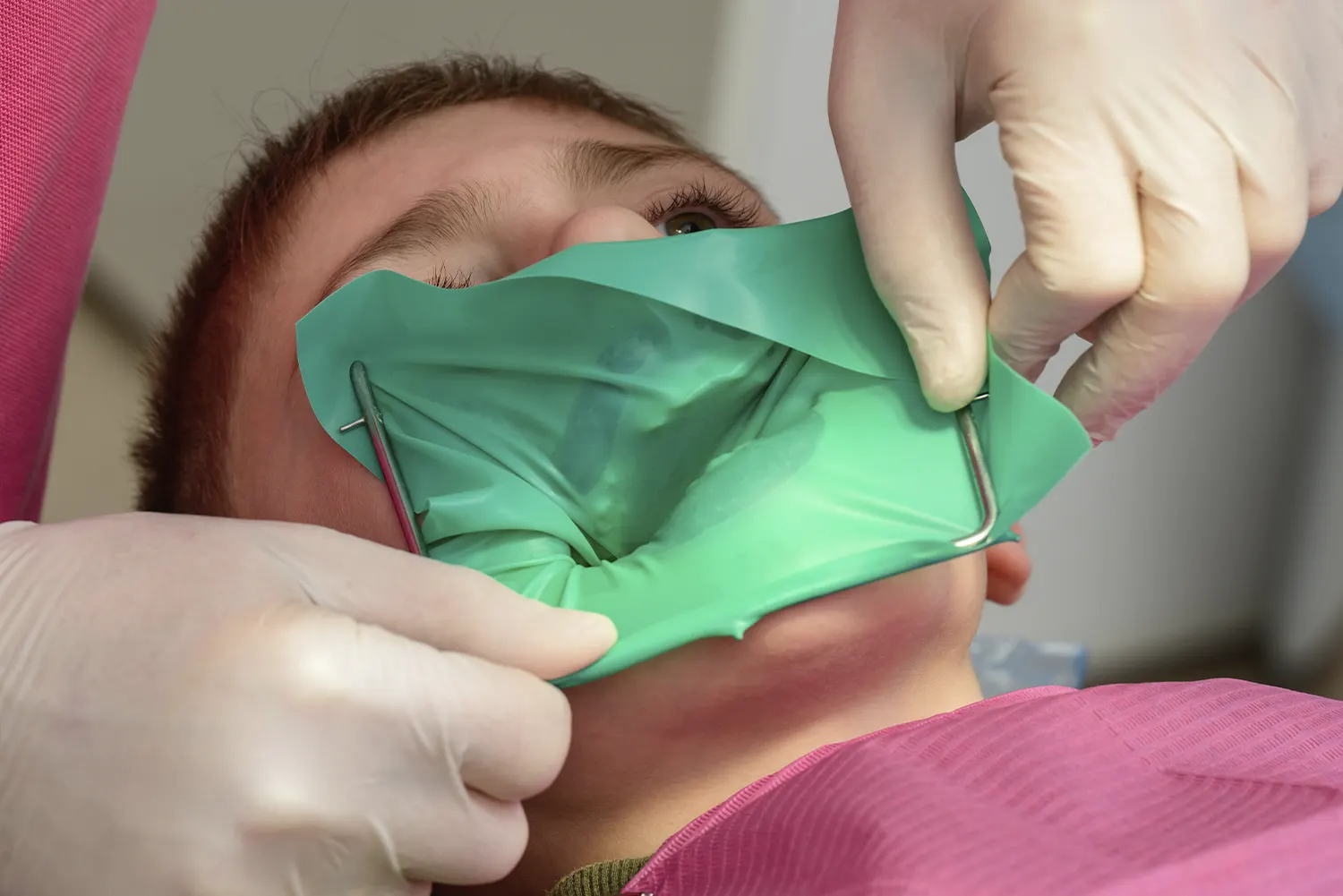
The entire process is completed in one visit, often in under an hour, and thanks to our playful, cloud-themed atmosphere and warm staff, many children leave smiling wider than when they arrived. Here’s what to expect:
- Gentle Consultation: Dr. Forer begins with a thorough exam and low-radiation digital X-rays to assess the root structure and depth of infection.
- Easy-Breezy Comfort: The procedure takes place with relaxing distractions, cozy blankets, and even the comforting presence of a certified therapy dog, if requested.
- Removing the Decay: The infected pulp in the crown of the tooth is carefully removed while leaving the healthy roots intact.
- Medication & Seal: A medicated dressing is applied, followed by a protective crown to restore the tooth’s strength and function.
Why Choose Little Cloud for Your Child’s Pulpotomy?
At Little Cloud Pediatric Dentistry, everything is designed with children in mind, from fluffy therapy dog tails to whimsical wall murals. But beyond the ambiance, here is what sets us apart:
Certified Therapy Dogs Create a Calm Atmosphere
Dental anxiety dissolves like morning mist with the help of our specially trained therapy dogs. These furry companions help children feel calm, brave, and safe, transforming a stressful visit into a moment to look forward to.
Expert in Special Needs Care and Whole-Body Health
Dr. Forer is uniquely qualified in treating children with special needs, creating sensory-conscious treatment plans and offering holistic, age-appropriate education that fosters well-being far beyond oral health.
State-of-the-Art Technology Meets Childlike Wonder
From cloud-shaped lights to high-tech diagnostic tools, our pediatric office blends joyful design with cutting-edge technology. Every detail is committed to your child’s comfort and safety.
Hospital Credentialing for Complex Dental Needs
When more advanced care is needed, Dr. Forer is credentialed at UCSF Children’s Hospital of Oakland and the Walnut Creek Outpatient Surgery Center. This means that even complex cases are managed with the highest standard of safety and skill.
FAQs About Pulpotomy for Baby Teeth
Is a pulpotomy painful?
Not at all. With gentle local anesthesia and distraction techniques (think therapy dogs and ceiling TVs), most children are completely comfortable, some even giggle through it!
How long does the treatment last?
The crown placed after the pulpotomy can last until the baby tooth naturally falls out, maintaining function and appearance in the meantime.
Is a pulpotomy better than pulling the tooth?
Yes. Preserving the tooth helps prevent alignment issues and contributes to natural speech and chewing. Each situation is unique, but saving the tooth is always in a child’s best interest when feasible.
A Gentle, Confident Start for Big Smiles Ahead
When your child is hurting, you want solutions that are fast, gentle, and designed especially for their small but mighty needs. A pulpotomy offers exactly that. It’s a tooth-saving treatment that relieves pain while also protecting long-term health.
If your child is experiencing tooth pain or you have been told extraction is the only option, give Little Cloud Pediatric Dentistry a call at (925) 962-5151. We would love to explore whether a pulpotomy is the right path toward keeping your child’s smile strong and their spirit even stronger.
Related Posts
Check out what's new!

Frenectomies: More Than Just Feeding, the Impact of Tongue-Ties on Articulation
As parents, our biggest wish is to help our children thrive, whether they’re bonding during feedings, discovering their first words, or sharing their bright smiles with the world.
Pediatric Dental Fillings: What to Expect During Your Child's Visit
As a parent, the thought of your child needing a dental filling can be stressful. You might wonder: Will they feel discomfort? Will they be scared?

Common Dental Emergencies in Children and How to Handle Them
Nothing makes a parent’s heart race faster than seeing their child in pain, especially when it’s unexpected.

